
Why Houston Is One of the Best Places to Mold Polyolefin Products
When companies look for a place to manufacture polyethylene or polypropylene parts, the conversation often starts with machine rates, tooling, or labor. Those factors matter. But for polyolefin products, another cost driver is easy to overlook: where the resin is actually produced.
Polyethylene (PE) and polypropylene (PP) are commodity resins. They are also bulky, heavy to ship relative to their value, and used in high volumes. That means freight, inventory, and availability can have a real impact on the total cost of a molding program—not just the quoted price per part.
Houston sits next to one of the largest concentrations of polyethylene and polypropylene production in the United States. For many PE and PP programs, molding those parts in Houston is not simply a convenience. It is a supply-chain decision that can help keep material costs, lead times, and inventory requirements under control.
At A&M Plastics, we've provided custom plastic injection molding, extrusion, assembly, and value-added manufacturing services from our South Houston, Texas facility since 1988. We regularly process polypropylene, polyethylene, and related grades for customers in the oil & gas, medical, construction, industrial, utility, and consumer products industries. In this article, we'll explain why proximity to Gulf Coast polyolefin production matters—and what it can mean for the cost of a molding program.
What Are Polyolefins?
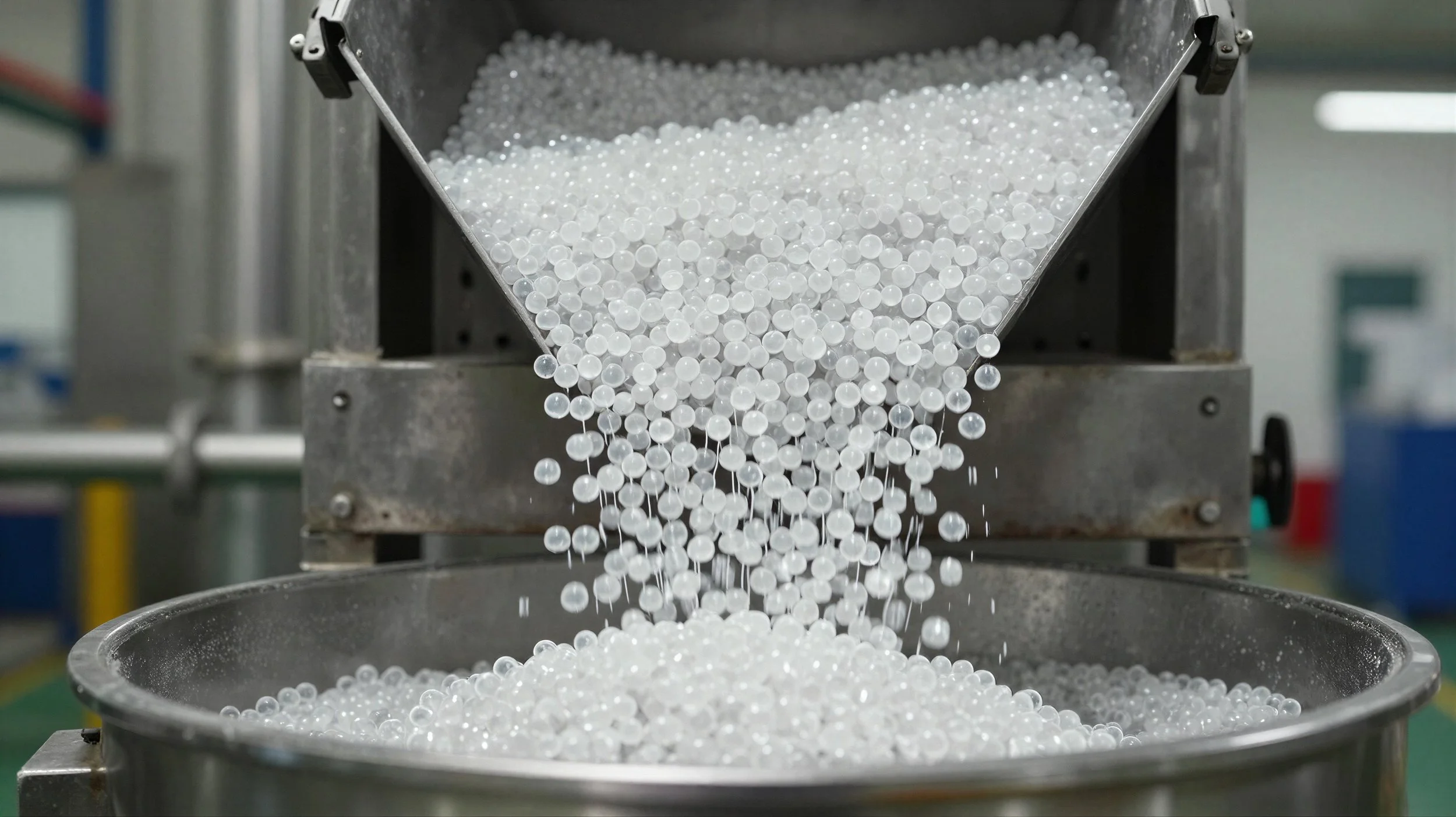
Polyolefins are a family of thermoplastic resins made from simple olefin monomers. The two most common are:
Polyethylene (PE) — including HDPE, LDPE, and LLDPE
Polypropylene (PP) — including homopolymer, random copolymer, and impact copolymer grades
These materials are widely used because they offer a useful combination of chemical resistance, toughness, low density, processability, and cost. They show up in packaging components, caps and closures, industrial housings, utility markers, construction products, outdoor covers, consumer goods, and many oilfield and industrial parts.
Because PE and PP are relatively inexpensive compared with engineering resins, material often represents a large share of the finished part cost, especially on heavier components and higher-volume programs. When resin is a major cost driver, small differences in freight, availability, and inventory can add up quickly.
Why Polyolefin Production Is Concentrated Near Houston
Polyethylene and polypropylene begin as petrochemical feedstocks. Ethane, propane, and other hydrocarbons are cracked into ethylene and propylene, then polymerized into PE and PP resin.
The Texas Gulf Coast—particularly the Houston Ship Channel corridor and nearby complexes in Freeport, Baytown, La Porte, Channelview, Chocolate Bayou, and Point Comfort—is one of the most concentrated refining and petrochemical regions in the Western Hemisphere. A large share of U.S. polyethylene and polypropylene capacity sits in Texas and along the broader Gulf Coast.
That concentration exists for practical reasons:
Access to feedstock from Gulf Coast refining and natural gas liquids
World-scale ethylene and propylene production
Integrated polyethylene and polypropylene plants
Rail, barge, truck, and port infrastructure built around chemical logistics
A dense network of resin distributors, compounders, and warehouses
For a molder, the result is simple. The pellets that become the part often travel a much shorter distance when production is in Houston than when the same part is molded hundreds or thousands of miles away.
How Nearby Resin Production Helps Keep Costs Down
Resin price is not the same as resin cost delivered to the press.
A molding quote typically includes the material, machine time, labor, packaging, and any secondary operations. What it may not make obvious is how much of the material cost is tied to getting the resin to the plant and holding enough of it on hand to keep production running.
1. Lower inbound freight on resin
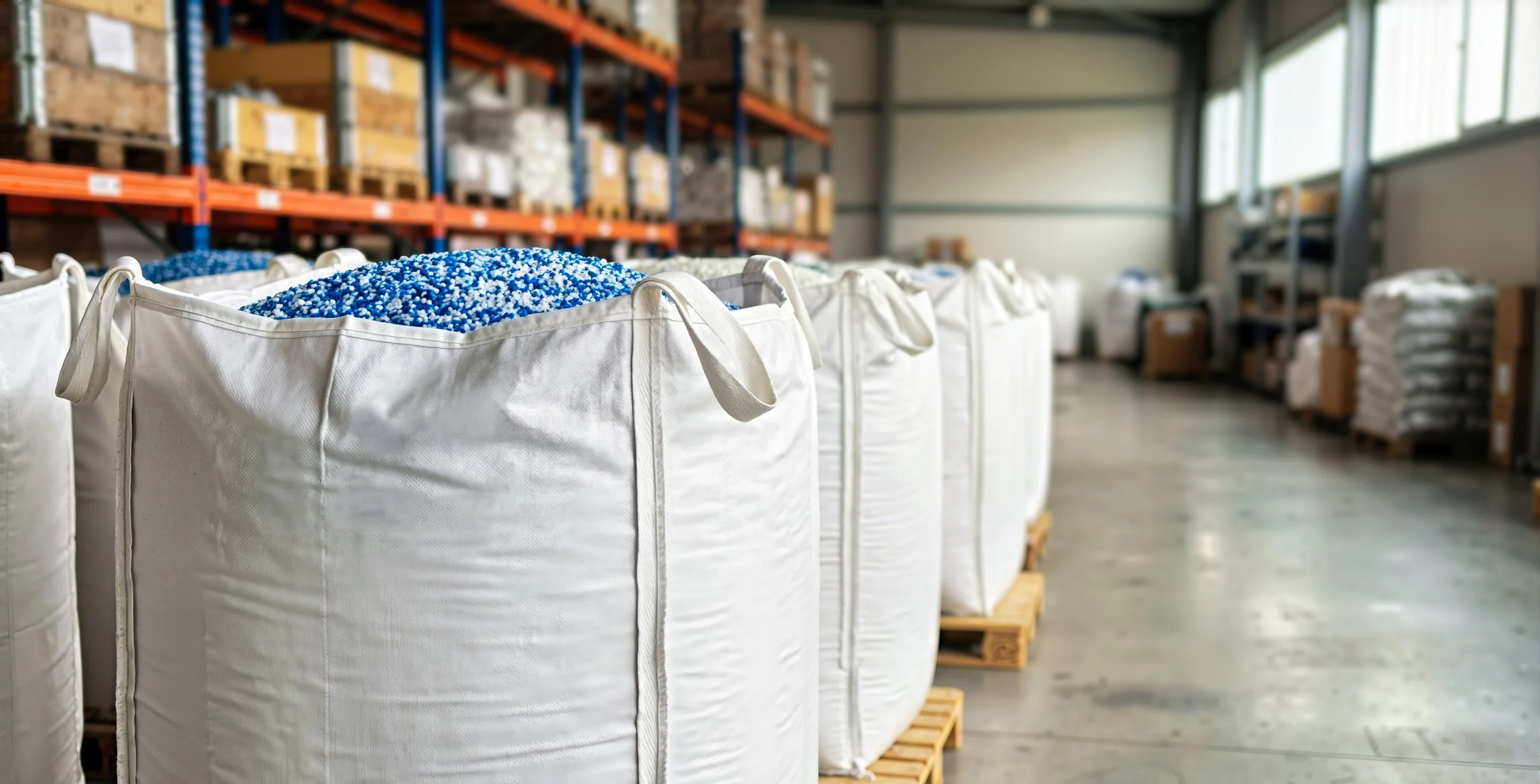
Polyolefin resins usually ship in bulk—railcars, hopper trucks, or gaylords of pellets. Freight is a function of distance, mode, fuel, and handling. The farther the molding plant sits from the producing region, the more those inbound logistics cost.
A Houston molder sourcing PE or PP from Gulf Coast producers or local warehouses can often reduce or eliminate long-haul inbound freight. That savings does not always appear as a separate line item on a piece-price quote, but it is part of the true material cost.
On a small, lightweight part, the difference may be modest. On a heavier PE or PP component produced in the hundreds of thousands or millions, inbound freight becomes a meaningful part of the annual material spend.
2. Less inventory tied up in transit
Longer resin supply chains require more buffer stock. If pellets have to travel across the country—or sit in a distant warehouse waiting on a truck—purchasing teams often carry extra weeks of material to protect production.
That inventory has a cost. Capital is tied up in resin that has been paid for but not yet molded. Storage, handling, and the risk of grade changes or demand shifts all add carrying cost.
Proximity to Gulf Coast production can shorten replenishment time. Shorter replenishment time can reduce the amount of raw material a program needs to keep on the floor. For many companies, that is one of the quieter ways Houston molding helps control cost.
3. Faster access when grades or volumes change
Not every PE or PP program runs one grade at one volume for years.
A customer may need a different melt flow, a UV-stabilized grade, a copolymer instead of a homopolymer, a color change, or a sudden increase in weekly demand. When the resin is produced and stocked nearby, those changes are easier to absorb without premium freight or long waits.
That flexibility has value. Expedited resin shipments, production interruptions, and last-minute substitutions all cost money—even if they never appear on the original quote.
4. More competitive local resin availability
Houston's concentration of producers, distributors, and compounders creates a competitive local market for many common PE and PP grades.
That does not mean every specialty compound is cheaper in Houston, and it does not mean resin list prices are identical everywhere. It does mean molders in the region often have more nearby sourcing options, more frequent truck availability, and less dependence on a single distant warehouse.
For commodity polyolefins in particular, having multiple practical sources within a short drive or a same-day truck run can help keep material cost and availability more stable.
Material Cost Matters More on Polyolefin Parts
On many engineering-resin programs, the material is expensive enough that freight is a smaller share of the total. On polyolefin programs, the opposite is often true.
PE and PP are among the most cost-efficient resins used in injection molding and extrusion. Because the pellet price is relatively low, logistics and inventory become a larger percentage of the delivered material cost. A few cents per pound in freight or carrying cost can represent a noticeable percentage of the resin spend.
That is why location matters more for polyolefin products than it does for some other plastics. The economics of molding PP caps, PE industrial parts, or large polypropylene housings are closely tied to how efficiently the resin moves from the producing plant to the press.
Houston's advantage is not that the molding machines themselves are automatically cheaper. It is that the input that often dominates the piece cost is produced next door.
The Supply Chain Advantage Goes Beyond the Resin
Nearby polyolefin production is the headline reason to mold PE and PP in Houston. It is not the only one.
Shorter finished-goods logistics for Gulf Coast customers
Many of the companies that use polyolefin parts—especially in oil & gas, industrial, construction, and utility markets—already operate along the Gulf Coast. Molding those parts in South Houston can reduce outbound freight, shorten replenishment cycles, and make plant visits, quality walks, and tool tryouts far easier.
A&M Plastics is located in South Houston, minutes from Interstate 45 and Hobby Airport. For customers with operations in Texas, Louisiana, or the broader Gulf region, that proximity can simplify both inbound resin and outbound parts.
Easier collaboration when the product is still changing
Polyolefin parts are often cost-sensitive and high-volume. They also frequently go through design tweaks, packaging changes, color adjustments, or secondary operations such as assembly, sonic welding, hot stamping, or custom packaging.
Working with a manufacturer that is close to both the resin supply and the end market makes those changes faster to evaluate. Faster evaluation usually means fewer expensive surprises after the program is already in production.
A more resilient domestic supply chain
International freight, tariffs, port congestion, and long transit times have pushed many companies to look more closely at total landed cost rather than piece price alone.
Molding polyolefin products in Houston keeps more of the supply chain inside the same industrial region where the resin is produced. That does not eliminate every risk. It does reduce the number of handoffs between the cracker, the polymer plant, the warehouse, the molder, and the customer.
Fewer handoffs generally mean fewer opportunities for delay, damage, and unexpected cost.
How to Evaluate the Real Cost of a Polyolefin Program
A useful comparison looks beyond the quoted price per part. For a PE or PP program, consider:
Delivered resin cost, not just list price
Inbound freight and fuel surcharges
Average weeks of raw-material inventory
Inventory carrying rate
Lead time for grade changes or volume increases
Outbound freight to the customer or distribution center
Secondary operations and packaging
The cost of a production interruption if resin is delayed
This is the same principle we apply when comparing domestic and overseas manufacturing. The lowest unit price is not always the lowest total cost. For polyolefins, some of the costs that change the answer are sitting in the resin supply chain.
If you already have an overseas or out-of-state quote, it can be useful to compare the full program—including material logistics—rather than the piece price alone.
Frequently Asked Questions
What polyolefin materials are commonly injection molded?
The most common are polypropylene and polyethylene, including HDPE, LDPE, LLDPE, PP homopolymer, and PP copolymer grades. Many programs also use filled, UV-stabilized, or impact-modified versions of these resins.
Are polyethylene and polypropylene good candidates for high-volume molding?
Yes. PE and PP are widely used for repeat, higher-volume production because they process efficiently, are broadly available, and offer a strong balance of performance and cost. That is also why material logistics become more important as volume increases.
Can A&M Plastics run existing PE or PP molds?
Yes. Existing tooling can often be transferred if it is compatible with the receiving manufacturer's equipment and in suitable condition. The mold should be evaluated before production begins.
What other services can be handled in the same Houston facility?
In addition to injection molding, A&M Plastics provides extrusion, assembly, sonic welding, hot stamping, secondary operations, packaging, warehousing, and drop shipping. Combining those steps in one location can further reduce handling and freight.
Is Houston only an advantage for oil and gas parts?
No. Oil & gas is an important local market, but the resin-supply advantage applies to any polyethylene or polypropylene product—consumer, industrial, construction, utility, medical-adjacent, or packaging-related—where material cost and availability matter.
Looking to Mold Polyolefin Products in Houston?
A&M Plastics is a family-owned custom plastic manufacturer based in South Houston, Texas. Since 1988, we have provided custom plastic injection molding, extrusion, assembly, and value-added manufacturing services for OEMs and businesses across the United States.
Our location next to Gulf Coast polyolefin production gives PE and PP programs a practical advantage: shorter resin supply chains, more responsive material availability, and a manufacturing partner that can also handle assembly, packaging, and fulfillment under one roof.
Whether you are developing a new polyethylene or polypropylene product, transferring an existing mold, or comparing the true cost of molding in Houston versus another region, our team can help evaluate the program.
Contact A&M Plastics to discuss your polyolefin project and request a custom manufacturing quote.